【BON音樂】《版本比較的藝術:管弦名曲篇》- 馬勒:第一號交響曲《巨人》
A comparison of Mahler: Symphony No.1
– 資訊整理共享於網路,一起欣賞音樂與藝術之美 –
蹦藝術 | BONART

講座報名方式
1. ACCUPASS 課程網頁:
https://www.accupass.com/go/Bononline
2. 可聯繫蹦藝術林仁斌老師本人,由林老師協助加入專屬課程群組。
https://line.me/ti/p/LB1ro0P0AU

蹦藝術線上音樂講堂🎶
跟著蹦,聽進音樂裡
活動簡介.2026 全新系列
線上直播好處多直播上課+回看影片=雙效合一
線上直播模式|在家輕鬆學,省時又高效。
專注學習體驗|畫面清晰、連線穩定,更好吸收知識。
30天無限回放|重複觀看,靈活練習,加深理解。
課後互動不斷|加入LINE群組,學習更深入。音樂欣賞課程特色聽覺體驗的學習|精選曲目引導感受音樂魅力,專為成人設計,輕鬆無壓力。
多元課程延伸|結合LINE群組交流,課後資訊分享,豐富你的音樂視野。
網頁版講義活用|影音整合隨時複習,打造自主、彈性的學習節奏。
課程主講人:林仁斌老師

古典音樂 X 精彩繽紛美好人生
音樂的面向極其廣闊,也間接影響我們腦部活動很大。經由專家研究,當欣賞美妙音樂而感動時,大腦的「獎賞中樞」會產生反應,分泌出「多巴胺」,給予我們愉快的感受。
在蹦藝術音樂講堂充滿特色與循序漸進的主題規劃之下,您將發現欣賞古典音樂、理解各種作品類型,都將為您的生活中帶來更豐富愉快的感受;您所需要做的,就是悄悄地埋下這快樂的種子,坐進講堂,好好欣賞每一場知識與含金量滿滿的專屬演講。
在蹦藝術每週線上音樂講堂,您將體驗到:
❶ 全面認識古典音樂世界.從基礎到全進階
❷ 深入了解音樂史、專有名詞到作曲家故事
❸ 沈浸式課堂解說.艱澀知識一次融會貫通
❹ 老師與粉絲互動Q&A,從傳道授業到解惑
線上講座時間
每週四,下午14:00-16:00,以Zoom軟體線上舉行(13:40可進入會議測試聲音與氧像)
週四講座為純線上課程,以Zoom同步線上參與,隨時加入OK~可享回看影片
本課程有Line專屬群組,可隨時與老師與同學互動
2026年起 全新三系列課程:
https://www.accupass.com/go/Bononline
系列一《版本比較的藝術:蕭邦鋼琴篇》
2026/1/8, 1/15, 1/22, 1/29, 2/5(*日期如遇調整,會於群組事前告知)
系列二《傳奇留聲:二十世紀指揮黃金時代之五嶽高峰》
2026/2/26, 3/5, 3/12, 3/19, 3/26(*日期如遇調整,會於群組事前告知)
系列三《版本比較的藝術:管弦名曲篇》
2026/4/9, 4/16, 4/23, 4/30, 5/7(*日期如遇調整,會於群組事前告知)
系列三《版本比較的藝術:管弦名曲篇》
五部經典 × 不同時代名盤 × 交響詮釋的多重面向
本系列選擇五部在錄音史中極具代表性、且版本繁多的管弦名曲:布拉姆斯第一號交響曲、德弗札克第九號〈來自新世界〉、柴可夫斯基第六號〈悲愴〉、馬勒第一號〈巨人〉與史特拉汶斯基《火鳥》等交響作品,這些橫跨浪漫時期到二十世紀初,既是樂迷熟悉的曲目,也是觀察指揮與樂團詮釋差異的理想素材。
課程將先從作品背景與結構分析出發,延伸至速度選擇、樂句、音色取向與錄音平衡等面向,透過不同年代與不同樂團的影音對照,我們將討論:同一部交響曲,在「厚重 vs. 透明」、「緊湊 vs. 寬闊」、「戲劇 vs. 抒情」之間之變化空間。
本系列的重點不僅是介紹名曲,更是透過版本比較,建立聆聽交響曲的深入方法,一起在熟悉的旋律之外,學會聽見指揮選擇、樂團傳統與錄音時代所帶來的細微差異。
講座一|布拉姆斯:第一號交響曲
本場從創作背景談起,說明布拉姆斯面對「貝多芬陰影」的壓力與回應。透過不同指揮的第一號交響曲錄音,我們將比較第一樂章速度與節奏張力、第二與第三樂章的歌唱性,以及終樂章各主題的鋪陳方式,重新認識布拉姆斯交響曲。
講座二|德弗札克:第九號交響曲《來自新世界》
本場聚焦德弗札克的「新世界」創作語法,解析主題素材、節奏型態與配器手法。透過不同樂團與指揮的版本對照,觀眾可以清楚聽見在速度、各聲部歌唱與獨奏性之處理,更加深入理解此曲。
講座三|柴可夫斯基:第六號交響曲《悲愴》
本場從《悲愴》之樂曲特色談起,討論這部作品在情感表達上的多重可能。透過版本比較,我們將觀察每個樂章的特色與情緒表達方式,說明不同指揮如何在各種條件下,展現出「悲愴」的情緒。
講座四|馬勒:第一號交響曲《巨人》
本場從馬勒《巨人》中的旋律、配器、主題與演奏效果談起,透過不同指揮版本對照,分析第一樂章的開場氛圍、葬禮進行曲樂章的距離感,藝術歌曲段落處理以及終樂章結尾的速度與音量選擇,探討馬勒詮釋中的各種可能性。
講座五|史特拉汶斯基:《火鳥》
本場以《火鳥》原始芭蕾版本做為主軸,介紹各版本之選曲與特色。將比較不同指揮在節奏處理、音色層次與音樂高潮的鋪陳,並討論樂團音色變化對《火鳥》詮釋所帶來的影響,在熟悉的旋律之外,也音響變化與效果。
講座四|馬勒:第一號交響曲《巨人》
寫作第一號交響曲時期的馬勒(1888)
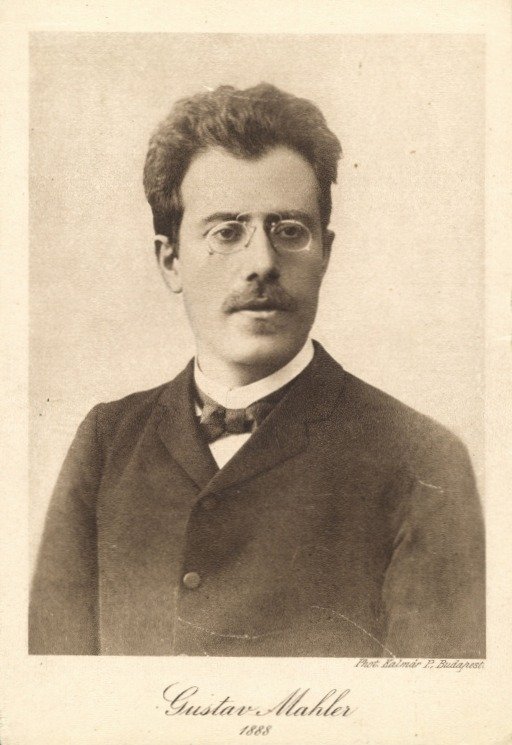
在生前以及逝世後的數十年間,古斯塔夫・馬勒(1860–1911)主要被視為一位卓越的指揮家。直到近六十年來,他作為作曲家的地位才逐漸被全面肯定。如今,他的交響曲被認為是貝多芬之後最重要的交響作品之一,連結了十九世紀的浪漫主義與二十世紀的現代主義;在同時代作曲家之中,只有西貝流士的交響曲在原創性上可與之相比。
馬勒出生於波希米亞(今捷克境內)的小村卡利什捷(Kaliště),不久後遷至伊赫拉瓦(Jihlava)。他是十四名子女中的第二人,成長於德語家庭,但身處以捷克語為主的環境中,這種文化差異使他長期感受到自身的「外來者」身份。他童年所接觸的聲音:民間歌曲、街頭音樂與軍樂隊,均持續影響其創作。1875年進入維也納音樂學院學習鋼琴與作曲,並開始接觸指揮。
1880年起,馬勒在奧地利與德國各地歌劇院展開指揮生涯。1885至1887年間於布拉格與萊比錫的任職,確立了其聲望。此時期完成聲樂套曲《青年行旅之歌》,其文本來源與《少年魔號》詩集有關,這套詩歌素材在其後十年間持續影響其創作。
1888年,馬勒完成第一號交響曲,最初構想為五樂章交響詩《巨人》,並融入歌曲旋律,之後刪除一個樂章,形成今日常見的四樂章版本。
馬勒的影響延續至二十世紀,蕭士塔高維契與布列頓皆深受其影響。戰後前衛作曲家亦重視其作品。布列茲錄製完整交響曲,貝里歐在《Sinfonia》中引用其素材。
馬勒:D大調第一號交響曲《巨人》(Symphony No.1 in D major),完成於1888年,初稿為五樂章形式,最初以「交響詩」概念呈現,並附有標題與敘事說明,後於1896年定稿為四樂章的純器樂交響曲版本。此作品完成於馬勒任職萊比錫歌劇院期間,屬於其早期交響創作,並多次修訂,顯示其對形式與敘事方式的反覆調整。
第一樂章採奏鳴曲式架構,以自然聲響為起點。開頭以弦樂泛音與木管長音建立持續音背景,並由法國號與木管分層進入,形成空間感。主要主題來自《青年行旅之歌》,旋律由大調音階級進構成,呈現明確方向性。節奏上以穩定脈動推進,銅管與弦樂在發展部中逐步擴展音量與音域,形成音響累積。
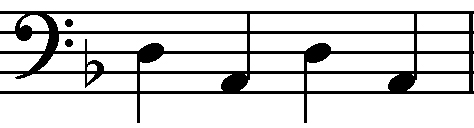
第二樂章為詼諧曲,節拍為3/4拍,採用蘭德勒舞曲節奏。低音弦與大提琴強調重拍,形成明確舞步感。中段轉為較慢速度,弦樂以較長音值呈現旋律,與前段形成對比,之後再回到原節奏結構。
第三樂章以「雅克兄弟」旋律為主題,低音提琴以小調呈現主題,音域集中於低音區,形成穩定而持續的行進節奏。此部分加入木管與弱音銅管,音色配置偏向單線條與分層疊加。中段插入較明亮的旋律材料,來自同一歌曲素材,形成結構對照。
第四樂章為全曲能量集中段落,開頭由全樂團強音進入,節奏密集,弦樂快速音型與銅管強奏交替出現。發展過程中,多次出現動機再現與轉調,銅管群在終段以D大調終止和聲強化結構結尾。
整體而言,第一號交響曲展現馬勒早期交響寫作中「歌曲動機轉化為交響材料」的處理方式。亦即,旋律來源並非全新寫作或者純抽象動機,而是來自既有歌曲,透過配器、節奏與聲部配置的改變,改寫為大型交響結構。
四樂章版,也是現在全球最通用版本,全長約50分鐘。
總譜版本欣賞
延伸閱讀
馬勒:第一號交響曲樂曲分析↵
第一樂章 曲式表↵
D大調,4/4拍,奏鳴曲式
| 序奏 | 呈示部 | 發展部 | 再現部 | 尾聲 | ||||||
| :第一主題 | 反覆A段 | 反覆B段 | 結束段落 : | A | B | C | 第一主題 | 結束段落 | ||
Introduction:
The tempo of the introduction section alternates between:
- Langsam. Schleppend (Slowly. Dragging) – Depicts nature’s slumber.
- Più mosso (more movement). – Awakening calls of fanfares on clarinet and trumpet.
The strings hold the note A, spread over a range of seven octaves, the violins using harmonics for the highest registers. A two-note motif is gradually developed in the woodwinds establishing the following repeated pattern of descending fourths, reminiscent of the first movement of Beethoven’s 9th Symphony in d minor:

This ‘nature’ theme is interrupted by a fanfare ‘awakening call’ played by the clarinets, and later by muted offstage trumpets, indicated in the score: “In sehr weiter Entfernung aufgestellt” (“At a very far distance”):

A slow and mellow melody is later introduced in the horns with directions to be “sung very softly”:

After more interruptions by the trumpets playing the fanfare theme, a rising chromatic motif is played by the double bass’ and cellos, with the nature theme layered on top by the trumpets.

The ending of the introduction leads seamlessly into the exposition through the gradual build up of the descending two-note cuckoo motif which transforms itself into the main theme of the first movement, marking the beginning of the exposition.

| Bar: 1-9 |
Langsam. Schleppend (Slowly. Dragging) Wie ein Naturlaut |
Theme of fourths (Nature Theme) |
| 9-15 | Più mosso | Clarinet fanfare (Awakening call) |
| 16-21 | Tempo I | Theme of fourths |
| 22-27 | Più mosso | Trumpet fanfare (Awakening call) |
| 28-29 | Tempo I | Theme of fourths |
| 30-31 | Più mosso | Cuckoo calls |
| 32-35 | Tempo I | Slow mellow horn melody |
| 36-39 | Più mosso | Trumpet fanfare |
| 40-43 | Tempo I | Slow Mellow horn melody |
| 44-46 | Più mosso | Trumpet fanfare and cuckoo calls |
| 47-58 | Tempo I | Chromatic bass motif and theme of fourths |
Exposition:
The exposition breaks free from the tense atmosphere established in the introduction section, becoming carefree and light. The main theme takes its melody from the second song from Mahler’s Lieder eines fahrendon Gesellen, titled: “Ging heut’ Morgen übers Feld”. The songs lyrics: “Isn’t it becoming a fine world?; Chirp! Chirp! Fair and sharp!; How the world delights me!” translate beautifully both musically and semantically.

This melody first appears in the cellos and gradually builds in dynamic as it makes its way through the different sections of the orchestra, eventually being played by the entire brass section. A new bird call is introduced towards the end of the exposition: the Tirilli motif. It begins in the woodwinds and is later shared with the strings:

| 62-74 | Song theme |
| 75-108 | Music from third verse of 2nd song from: Lieder eines fahrendon Gesellen |
| 109-135 | Music from first verse of 2nd song from: Lieder eines fahrendon Gesellen |
| 136-162 | Final group (taken from Tirili motif) |
Development:
The development section begins as a new form of the introduction, keeping the drone A and cuckoo calls, the clarinet and trumpet fanfare motif is however, suppressed until later in the section. The opening also incorporates the newly introduced Tirilli motif. A cantabile cello theme is introduced which functions as a secondary theme:

| 163-206 | Part I: New form of introduction (now with gradual retard) without use of clarinet and trumpet fanfares, with the inclusion of the Tirili motif; preparation of cello theme |
| 207-304 | Part II: |
| 209-220 | Fanfare theme of the horns |
| 221-229 | Cantabile cello theme (functioning as a secondary theme) |
| 225-304 | Renewed statement and development of the song motif in changing colors, including the cantabile cello theme |
| 305-357 | Part III: A foreshadowing of the inferno in anticipation of a section from the Finale (bars 574-628) |
| 352-357 | “Breakthrough”: Trumpet fanfares and woodwind and horn signals |
Recapitulation:
| 358-442 | Recapitulation |
| 443-450 | Coda |
關於藝術歌曲之使用(一)
馬勒於第一號交響曲中使用了自己最初寫作的聯篇歌曲《流浪青年旅人之歌》(旅人之歌)中的歌曲《清晨當我穿過草原》(Lieder eines fahrenden Gesellen)音樂旋律。
《清晨當我穿過草原》演唱版本
《清晨當我穿過草原》
藝術歌曲中的第二首曲目《清晨當我穿過草原》(Ging heut Morgen übers Feld),是整套作品當中最愉快的旋律。這是一首喜樂之歌。
流浪者面對大自然的美景,例如簡單卻婉轉動聽的鳥鳴聲,草原上的露珠等都十分歡喜和驚奇,鳥兒還歌唱提醒著他說:「這不是一個可愛的世界嗎?」然而,流浪者在最後被提醒,儘管這一切皆美,但他的喜樂因愛人的離開而不再回來。
管弦樂的配器也非常細緻而優雅,運用了長笛和弦樂的高音音域富有歌唱性,三角鐵在這樂章亦發揮重要的襯托作用。這首歌曲的大部份旋律,均在馬勒第一交響曲第一樂章的第一主題裡,再次被引用且發展微精彩動聽的完整段落。
清晨我走過田野
A-A‘-B 三段體 + Coda
(中文翻譯引用自維基百科,筆者根據德文歌詞再微調)
| 德文歌詞 | 中文翻譯 |
| A
Ging heut morgen übers Feld, A‘ Auch die Glockenblum’am Feld B Und da fing im Sonnenschein “Guten tag, Coda Nun fängt auch mein Glück wohl an?! |
A
今早我走過田野; A’ 還有,田野裡的風鈴草精神抖擻 B 然後,在陽光下 「你好, Coda 現在,我的快樂日子也將來臨嗎?! |
對照第一號交響曲第一主題
第二樂章 曲式表↵
A大調,3/4拍,三段體
| A段 | B段 | A段 |
尾聲 |
|||
| : A : | B | A | C | D | A | |
| Bar Number: | Section: | Mahler’s Tempo Markings |
| 1-174 | Opening main section | minim (half-note) = 66 |
| 175-358 | Trio | minim (half-note) = 54 |
The movement opens with with the following motif played by the bass:

The Ländler’s main theme is then introduced in the woodwinds over the top of the bass motif:

蘭德勒舞曲與舞蹈
民俗舞跳的蘭德勒舞曲
電影《真善美》裡使用的蘭德勒舞曲
第三樂章 曲式表↵
d小調,4/4拍,三段體
|
A段 |
B段 |
A段 |
尾聲 |
|||
| A | B | A | B | A+B | ||
The movement begins with the timpani softly beating a two note ostinato in isolation:
《雅克弟兄》(兩隻老虎)(法文:Frère Jacques)譜例:
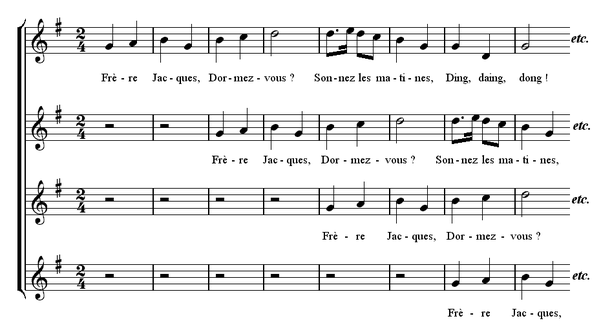
A Capella 演場版本
Mahler gives directions in the score: “Solemn and measured without dragging”. After two bars, the main melodic theme forming the basis of the movement is introduced on a solo Contrabass, an innovative role for the instrument.
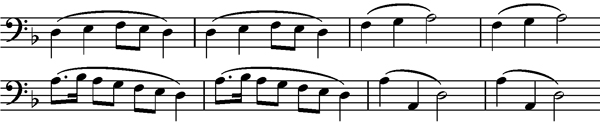
Mahler reproduced this melody note for note from the popular round “Bruder Martin” (Brother Martin), also known as ‘Frère Jacques’ described by August Beer as “a humorous round sung in Germany by male choirs and young men in pubs in a jocular, chanting manner.” The canon section (bars 1-38) slowly builds momentum as the round is picked up by different instruments in a highly unusual order, jumping from different sections of the orchestra resulting in timbre combinations that are characteristically Mahler:
| Bar: 3 | Double-bass solo |
| 11 | Muted cellos |
| 15 | Bass tuba |
| 17 | First bassoon & first clarinet |
| 19 | Muted violas |
| 21 | First horn |
| 23 | Four flutes |
| 25 | English horn, two clarinets, & bass clarinet |
| 27 | Violas & cellos one octave apart |
| 29 | Four muted horns & harp |
In a conversation with Natalie Bauer-Lechner, Mahler stated: “in the round, the new entrance always is distinct, in a surprising timbre, drawing attention to itself.”
The oboe introduces the following counter melody in bar 19, which is heard again in bar 29 with the addition of the E-flat clarinet (The first appearance of the instrument in the symphony):

Mahler then introduces a new section lasting from bar 39-44. The oboe is given a swaying melody in thirds and sixths (See Pic below) with the trumpets providing a counter melody underneath. This counter melody continues into the parody section acting as a bridge between the contrasting ‘Bruder Martin’ opening and Parody section which follows.

關於藝術歌曲之使用(二)
馬勒於第一號交響曲中使用了自己最初寫作的聯篇歌曲《流浪青年旅人之歌》(旅人之歌)中的歌曲《那雙藍藍的明眸》(Die zwei blauen Augen)音樂旋律。
《那雙藍藍的明眸》演唱版本
歌詞翻譯
這首歌曲標題為《那雙藍藍的明眸》(Die zwei blauen Augen von meinem Schatz),在歌詞裡,我們可以感受到這不是一雙代表快樂的眼睛,因為「是雙藍藍的明眸,是我愛人的眼睛」,但「我不得不告別這至愛之地」、「現在我要面對永恆的哀愁」,這幾句與藍色眼睛對比的失落與離愁,更讓我們感受到流浪者的心痛。
是什麼原因讓他心碎?無法處理如此多的傷痛?使他無法以渾身傷痛而身處目前的環境裡?
馬勒並未給出答案,就如同舒伯特的聯篇藝術歌曲集《冬之旅》,在歌詞中,流浪者因心神疲憊躺臥於一棵菩提樹下,讓花在他身上落下,作著美夢無數。
我們不知道旅人是否想要回到他之前的生活,抑或已然下定決心要追尋新的目標,甚至可能預示著即將離開這個世界?
可以肯定的是,他是懷抱著深深的愛,做出讓自己沉痛的決定,面對每項事物,無論是愛和悲傷,整個世界與美夢…
提示:藍眼睛、流浪、菩提樹、夜間旅行、悲傷地離開…
愛人的那雙藍眼睛
A-A’-B 三段體
(中文翻譯引用自維基百科,筆者根據德文歌詞再微調)
| 德文歌詞 | 中文翻譯 |
| A
Die zwei blauen Augen A’ O Augen blau, Ich bin ausgegangen in stiller Nacht B Auf der Straße steht ein Lindenbaum, |
A
那雙藍藍的明眸 A’ 藍藍的眼睛啊, 我走出去,步入寧靜的夜, B 路上佇立著一棵菩提樹, |
樂譜版本欣賞
Thomas Hampson, 男中低音
Mariss Jansons, 指揮
https://youtu.be/e9lwdn5lmRU
第四樂章 曲式表↵
f小調,2/2拍,奏鳴曲式
| 序奏 | 呈示部 | 發展部 | 再現部 | 尾聲 | ||||||||||
| 第一主題 | 發展段落 | 過渡段落 | 第二主題 | 結束段落 | A | 勝利主題 | B | 勝利主題 | 結束段落 | 第二主題 | 第一主題 | 勝利主題 | ||
第四樂章使用動機與音樂↵
Fourth Movement: Dall’ Inferno al Paradiso
(“From the Inferno to Paradise”)
Although Mahler does not use the traditional sonata-allegro form for the final movement of the symphony, it is possible to analyse the movement as such, being dividing it into three sections: exposition, development and recapitulation. Material from previous movements are revisited, with additional motifs inspired by Liszt and Wagner included. The programmatic title for the movement ‘From the Inferno to Paradise’ is clearly depicted in the music. Mahler uses the key of F minor to symbolise the inferno, contrasted against the distant key of D major representing Paradise:
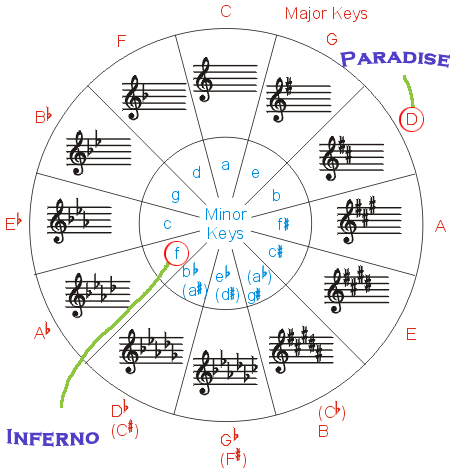
Introduction Breakdown (bars 1-54):
| 1-5 | Dissonance, interpreted by Mahler as Aufschrei eines im Tiefsten verwundeten Herzens (Outcry of a deeply wounded heart) |
| 6-8 | The Cross symbol in the minor version |
| 8-18 | Inferno triplets |
| 19-21 | Anticipation of a motif from the main theme |
| 21-24 | Inferno triplets |
| 25-32 | Wail (cf. Das klagende Lied, No. 81) |
| 32-39 | Inferno triplets |
| 39-54 | Fourfold Cross motif in the minor version |
The final movement continues directly on from the previous movement without interruption. An abrupt cymbal crash opens the movement, which is immediately followed by a strikingly dissonant chord produced by the woodwinds, string and brass sections, reinforced by a bass drum hit. This ferocious opening alludes to the inferno, creating a tremendous contrast to the faint, distant ending of the previous movement. Mahler described this opening as “The sudden outburst… of despair of a deeply wounded and broken heart.” (From a letter Mahler wrote to Bernhard Schuster in 1901)
Some of the key motifs representing the inferno were borrowed from Liszt’s Dante Symphony (1856), a work Mahler would have assumed familiar with his audience.
For example the Cross motif which appears in bars 6-8 was taken from Liszt’s symphony:

The final movement continues directly on from the previous movement without interruption. An abrupt cymbal crash opens the movement, which is immediately followed by a strikingly dissonant chord produced by the woodwinds, string and brass sections, reinforced by a bass drum hit. This ferocious opening alludes to the inferno, creating a tremendous contrast to the faint, distant ending of the previous movement. Mahler described this opening as “The sudden outburst… of despair of a deeply wounded and broken heart.” (From a letter Mahler wrote to Bernhard Schuster in 1901)
Some of the key motifs representing the inferno were borrowed from Liszt’s Dante Symphony (1856), a work Mahler would have assumed familiar with his audience.
For example the Cross motif which appears in bars 6-8 was taken from Liszt’s symphony:
This aural symbol of the Cross, originating from old Gregorian music, is found in two forms in the movement. The Cross symbol is used by Mahler as a device to break-through from the world of the inferno to the realm of the paradiso. The symbol of the Cross only ever appears in the minor version when the music is in the world of inferno:
1) minor version – intervals of a minor second and major third
2) major version – intervals of a major second and major third
The chromatically descending triplet motif first heard in bars 8-18 (Inferno Triplets) was another motif also taken from Liszt’s symphony:

|
After the introduction section, the following theme in F minor is presented boldly in the brass and woodwinds (bar 55). Pic

This theme is expanded and developed gaining momentum, until it transforms into the swelling brass section (bar 143), followed by a brief mellow transition section which leads into the beautifully lyrical secondary section in D flat major:

The expositions concluding section (bars 238-253) recalls the slow introduction from the main section beginning in bar 55, along with the inferno triplet motif.
| 254-289 | First part in G minor (As at the beginning) |
| 290-316 | First statement of the “victorious” motif in C major, pianissimo |
| 317-369 | Second part in C minor |
| 370-427 | Second entrance of the “victorious” motif (Pesante) (Modulation from C major to D major) and Chorale theme in D major (Paradiso) |
| 428-457 | Recall of motif of the main section (very slow); Mahler, “wundervoller Anklang an die Jugend des Helden” [“wonderful allusion to the hero’s youth”] |
The development section begins with another inferno motif taken from Liszt’s Dante Symphony (bar 254) played by the horns, clarinets and oboe in G minor:

The The ‘victorious’ motif in C major begins in bar 290 with the Cross motif making its first appearance in its major form played pianissimo by the first trumpet in bar 296.
This section includes a secondary motif forming the following theme:
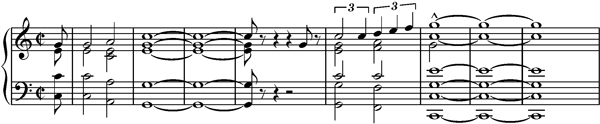
The above theme is a rhythmic variation of the Grail theme from Richard Wagner’s Parsifal opera crafted in a manner which enables Liszt’s Cross symbol to be combined with the Dresden amen sequence used in Wagner’s Parsifal.
The second section of the development in C minor begins in bar 317. The ‘victorious’ theme makes its second appearance in bars 370-375, however, this time the dynamic markings are pesante and fortissimo (previously pianissimo), victory is seemingly in reach of the hero. The section begins in C major, modulating to D major – the realm of the paradiso.
Mahler elaborated on this victorious section to Bauer-LechnerIn during 1893:
“Maybe this was even more obvious in my First Symphony, at a transition that gave me so much trouble. There the concern was to gain a triumphant, lasting victory, after the music, having expressed short rays of hope, would always fall back into deepest despair. After a long search, it became obvious to me that I had to modulate from one key to the next higher one from C major to D major, the tonic of the piece. One could have accomplished this easily by using the half-step in between, moving up from C to C-sharp and then to D, but everyone would have known it to be the next step. Instead, my D chord, had to sound as if it had fallen from heaven, as if it had come from another world. Thus I found the transition by way of a very free and bold modulation that for the longest time I did not want to use. And if there is anything great about the whole symphony, then it is this passage which, I am convinced, has no equal.”
The Chorale theme in D major contains a modified version of the nature theme from the first movement.
Nature theme, First movement, bars 18-21:
Chorale theme, Final movement, bars 388-391:

A slow section concludes the development section in bars 428-457. Many motifs and themes from the first movement return as the hero remembers his carefree youth: the nature theme, the fanfare awakenings, bird calls (quail call, cuckoo call and Tirili motif), the chromatic bass-step motif. These previous musical ideas are intertwined with newly introduced material such as the inferno triplets (bar 433-434).
Recapitulation (Bars 458-695)
| 458-532 | Secondary section with transition in F major |
| 533-573 | Main theme in F minor (Tempo I): the Inferno image now has been moved to the distance (ppp) |
| 574-622 | Intensification of material from the main section |
| 623-695 | Höchste Kraft (Utmost strength): breakthrough, third occurrence of the “victorious” motif and Chorale theme in D major (Paradiso)0 |
Coda:
| 696-731 | Coda |
全曲最後一段音樂:開首奮鬥般的音型又再出現,但更為激烈,爆發出無比的能量,這就是馬勒眼中的大自然:既強大但又溫柔,充滿生機但同時又可以操控死亡。銅管再次奏出主題,更加宏偉、更加激昂,小號與法國號樂手都站起來吹奏,結束在光輝燦爛的D大調。
完整演奏
四樂章版本完整演奏
阿巴多於琉森音樂節
Lucerne Festival Orchestra
Claudio Abbado – conductor
0:00 Gustav Mahler: Symphony No. 1
0:30 I. Langsam, schleppend
17:16 II. Kräftig bewegt, doch nicht zu schnell
24:50 III. Feierlich und gemessen, ohne zu schleppen
36:19 IV. Stürmisch bewegt
四樂章版本完整演奏
Fabio Luisi 指揮德勒斯登愛樂
Gustav Mahler – Symphony No. 1 in D major
0:00 Intro credits
0:30 I. Langsam. Schleppend.
15:50 II. Kräftig bewegt, doch nicht zu schnell
24:30 III. Feierlich und gemessen, ohne zu schleppen
36:15 IV. Stürmisch bewegt
Mahler: Symphony No. 1 “Titan” | Gustavo Dudamel | Los Angeles Philharmonic | 2009
Gustav Mahler (1860-1911): Symphony No. 1 “Titan”
1. Satz: Langsam. Schleppend. Wie ein Naturlaut – Im Anfang sehr gemächlich: 00:00
2. Satz: Kräftig bewegt, doch nicht zu schnell: 16:38
3. Satz: Feierlich und gemessen, ohne zu schleppen: 25:26
4. Satz: Stürmisch bewegt: 36:41
Mahler Sinfonie Nr 1 D-Dur „Titan“ Seiji Ozawa Saito Kinen
Mahler Sinfonie Nr 1 D-Dur, „Titan“ Symphony No 1 in D major, The Titan
Seiji Ozawa, Saito Kinen Orchestra
1. Langsam. Schleppend 0:00
2. Kräftig Bewegt 15:43
3. Feierlich Und Gemessen, Ohne Zu Schleppen 23:45
4. Stürmisch Beweg 34:20
第四樂章Final 大PK
九大版本:
- 洛林・馬澤爾
(以色列愛樂管弦樂團) - 帕沃・賈維
(NHK交響樂團) - 祖賓・梅塔
(NHK交響樂團) - 伯恩斯坦
(維也納愛樂) - 西諾波里
(維也納愛樂) - 廣上淳一
(京都市交響樂團) - 鄭明勳
(亞洲愛樂管弦樂團) - 賽門・拉圖
(柏林愛樂) - 海汀克
(皇家大會堂管弦樂團)
謝謝您~來到蹦藝術❤️
認識蹦藝術的幾個方法:
1. 加入蹦藝術群組
實體與線上音樂講座訊息、各種音樂分享、優質音樂會折扣碼、精彩藝文旅遊行程…,好康優惠不漏接❤️
加入方式:
請先聯繫蹦藝術林仁斌老師本人,由林老師協助加入專屬課程群組。
https://line.me/ti/p/LB1ro0P0AU
2. 聆聽蹦藝術 – Podcast
蹦藝術Podcast 一鍵通:https://linktr.ee/bonart


3. 贊助蹦藝術(單次或定期定額贊助)
從製播節目到網頁文章撰寫、網站維護,都需要經費,更需要您的贊助
無論是單次贊助,或者定期定額贊助,蹦藝術都感謝您對我們的支持❤️

開卷蹦藝術.享受美好閱讀時光
☕️一杯咖啡.一點心意.支持蹦藝術☕️
各類合作提案,聯繫方式:

*手機:0917.670.518
*Line:https://line.me/ti/p/LB1ro0P0AU
*E-mail:jenpin888@gmail.com

更多音樂新知